
Security
Your farm data stays under your control with private deployments, role-based access, and auditable feeding decisions.
FeedRight reads live signals from the water and the fish, then feeds the right amount at the right moment — with your team in control.
Trusted by industry leaders and developers worldwide


Your farm data stays under your control with private deployments, role-based access, and auditable feeding decisions.

Run FeedRight in the cloud, inside a virtual private network, or connected to the camera and sensor stack already on site.

Train on your own cage history, species profiles, feed curves, and seasonal water conditions for site-specific automation.
All your cages connected, nothing outsourced. FeedRight brings every feeding signal together on your terms.
Open dashboardAutomations
Browse workflows that streamline repetitive feeding operations with review-ready controls.
Measure pellet drift and surface activity for the feeding team.
Turn operator handover notes into action items.
Review complex water-quality changes before automation.
Get a holistic view of farm and cage performance.
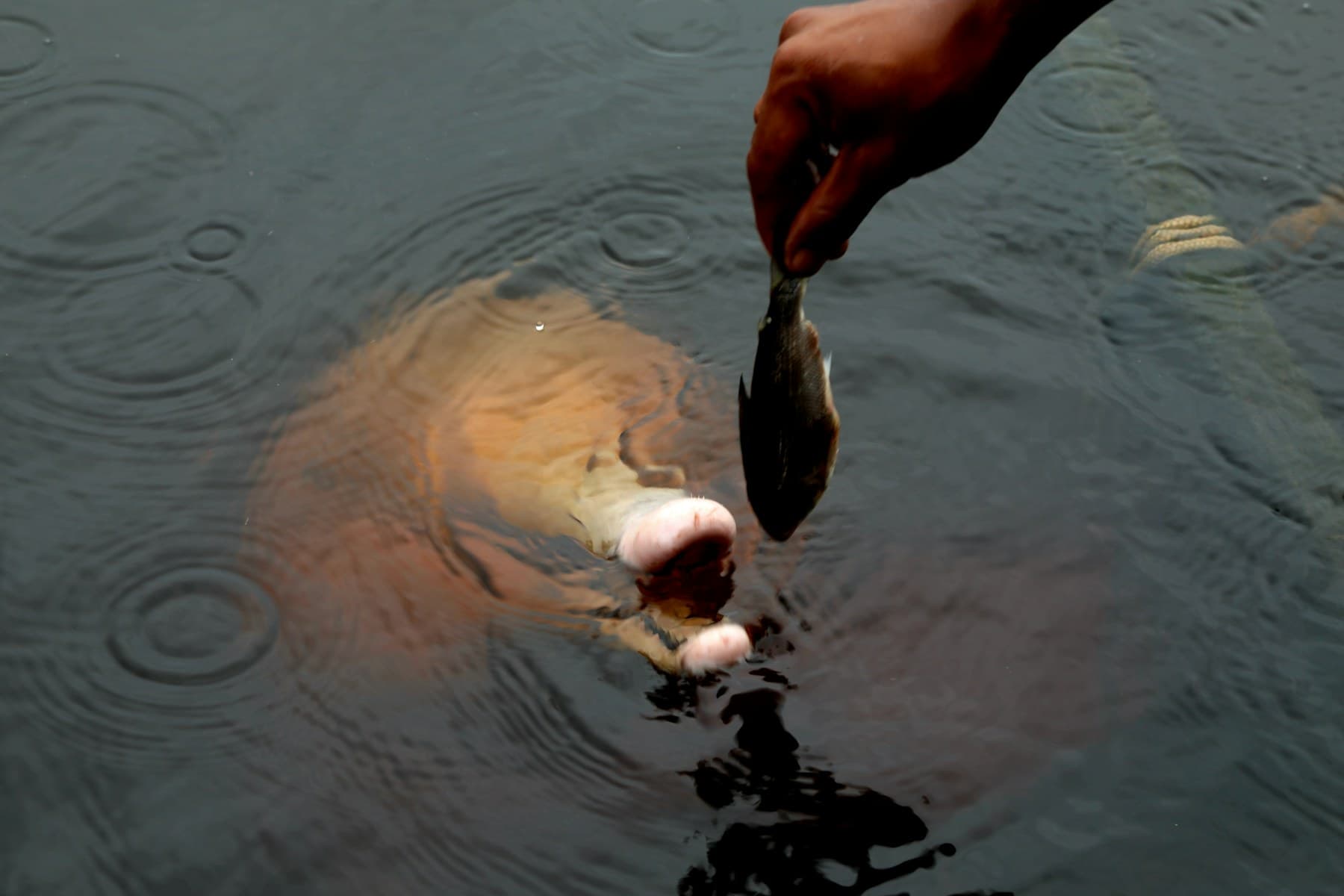
Appetite-aware feeding for cage, pond, and raceway teams.
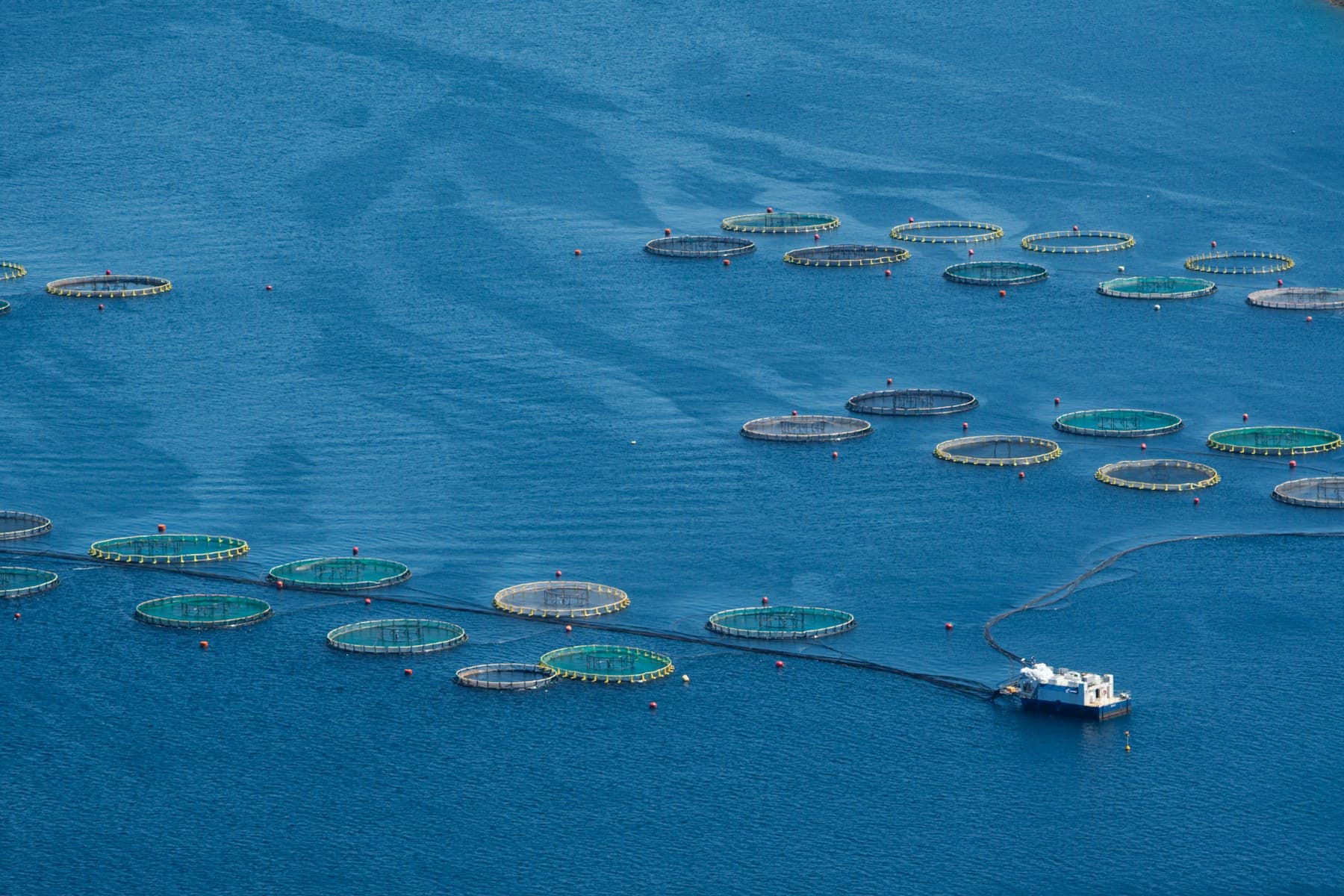
Open-water cage operations with video, oxygen, and feed telemetry.
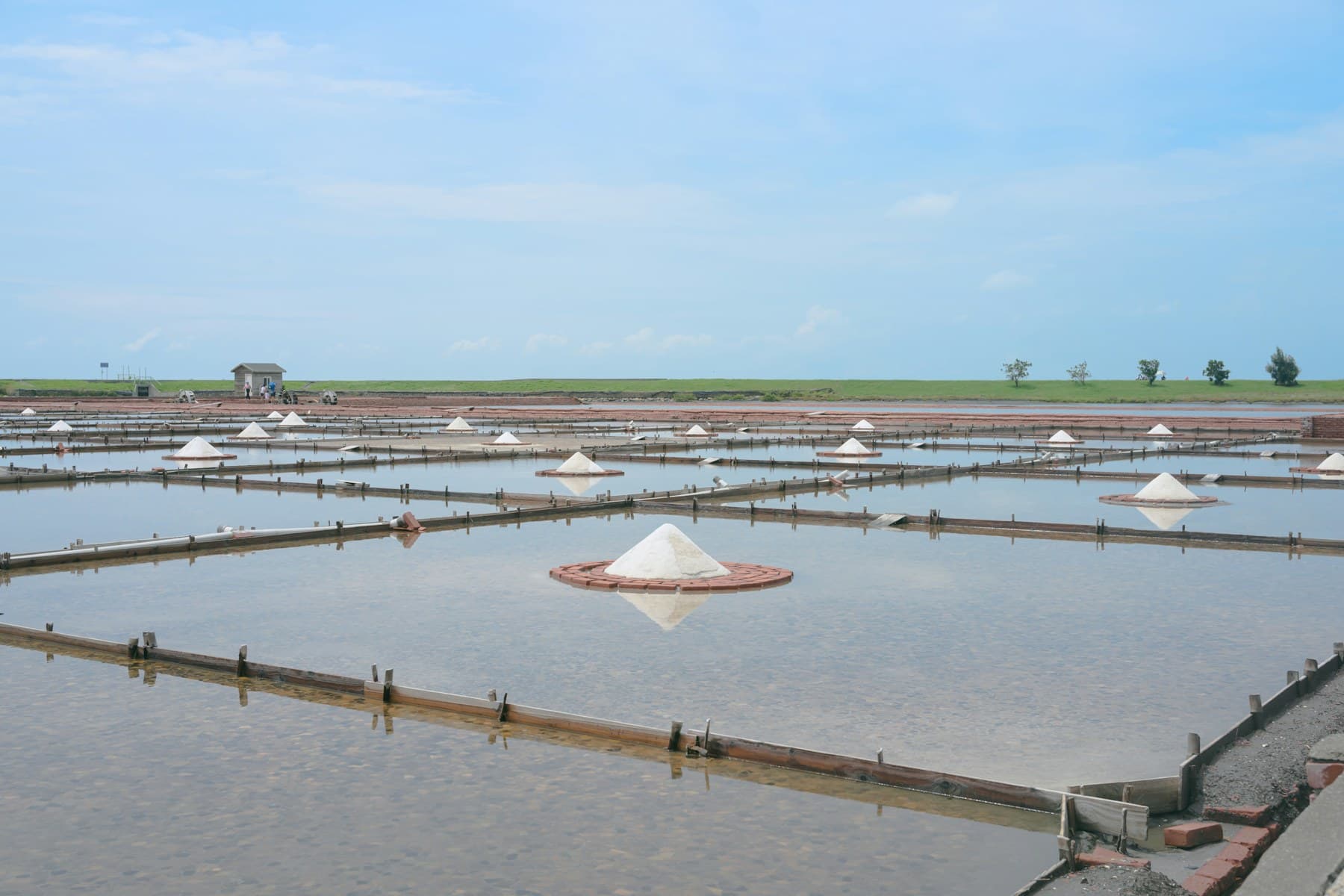
Pond-level control for feed timing, aeration, and growth variance.
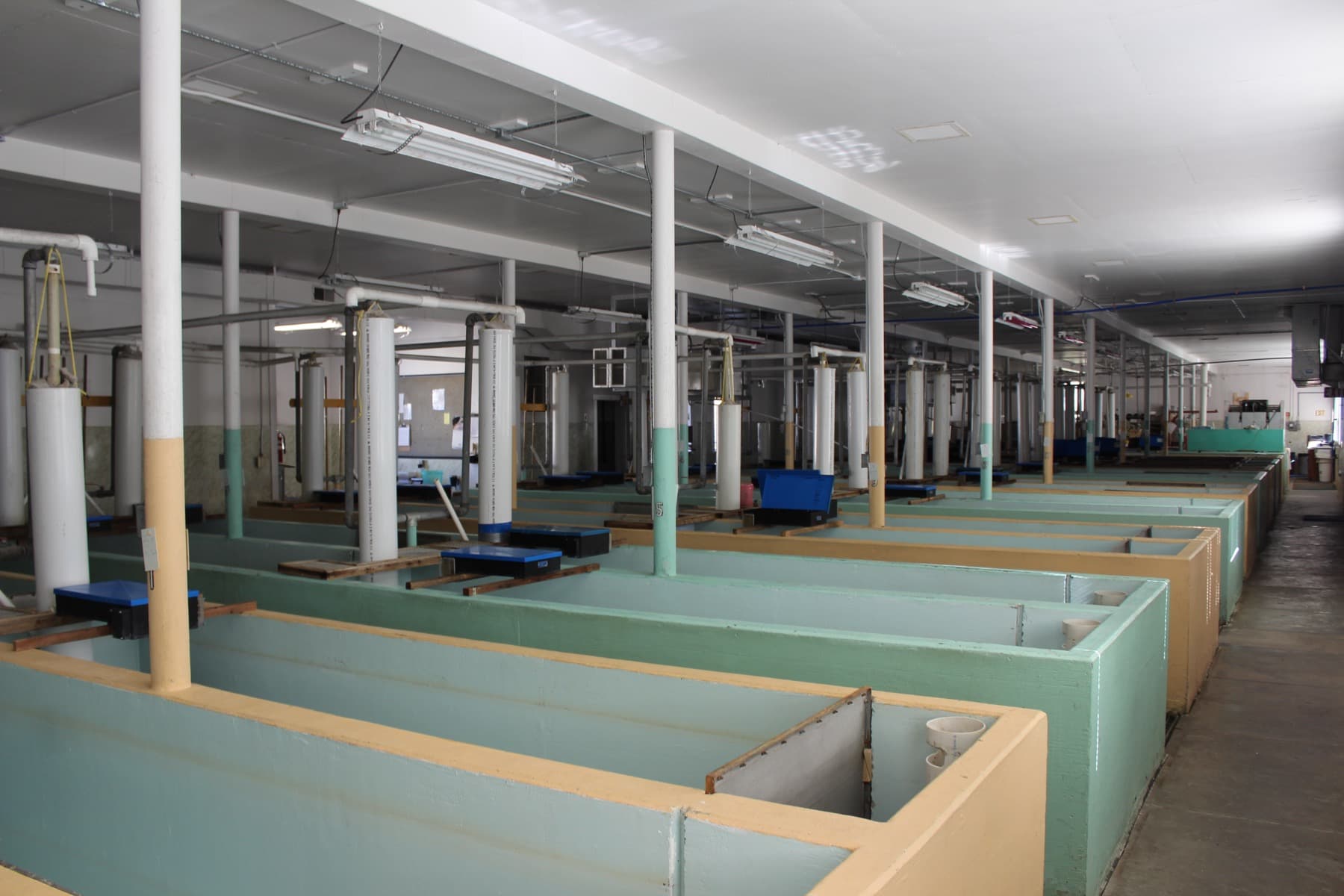
Early-stage rearing workflows with consistent checks and audit trails.
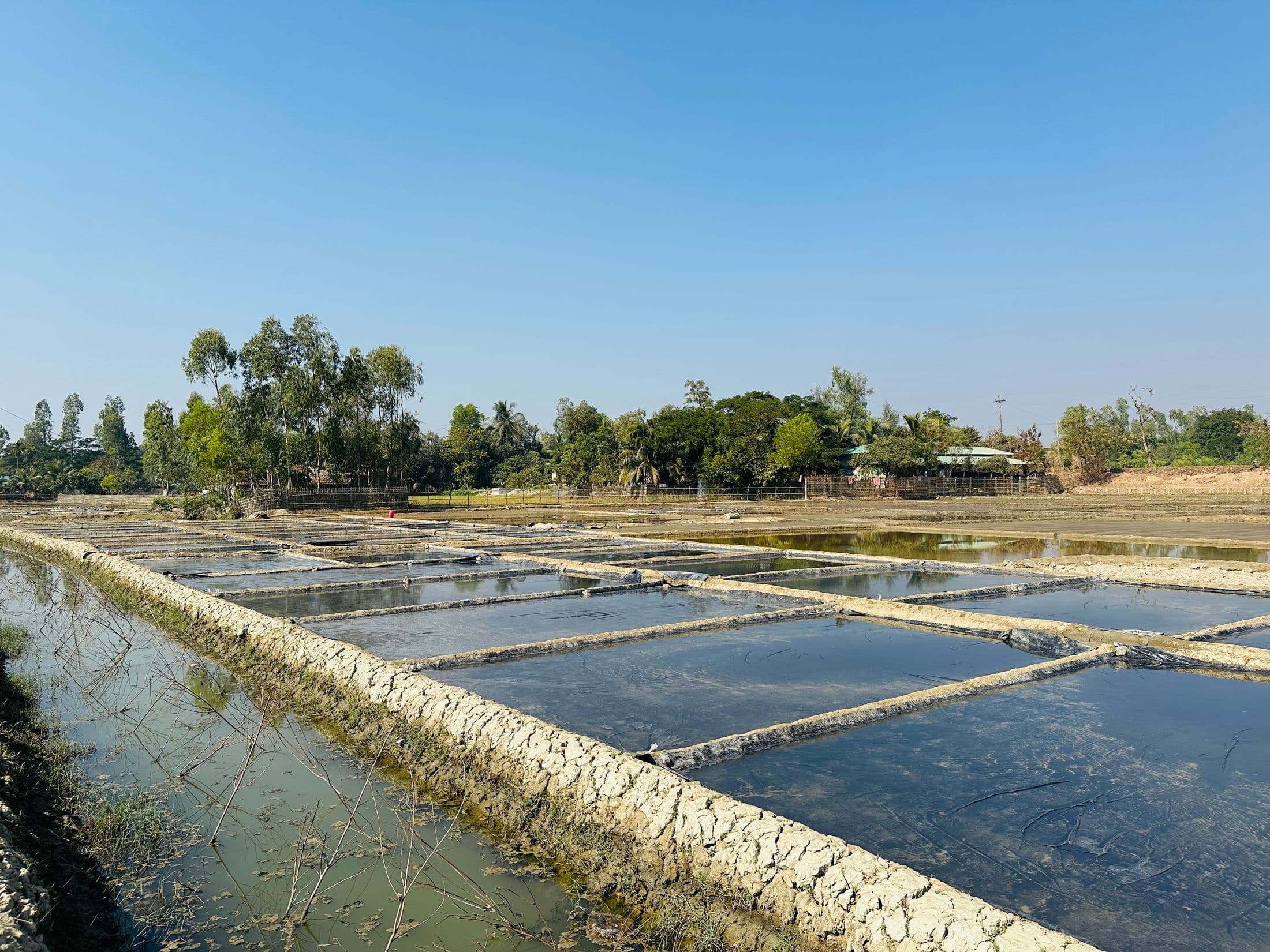
Multi-pond feeding plans with site-level visibility for supervisors.
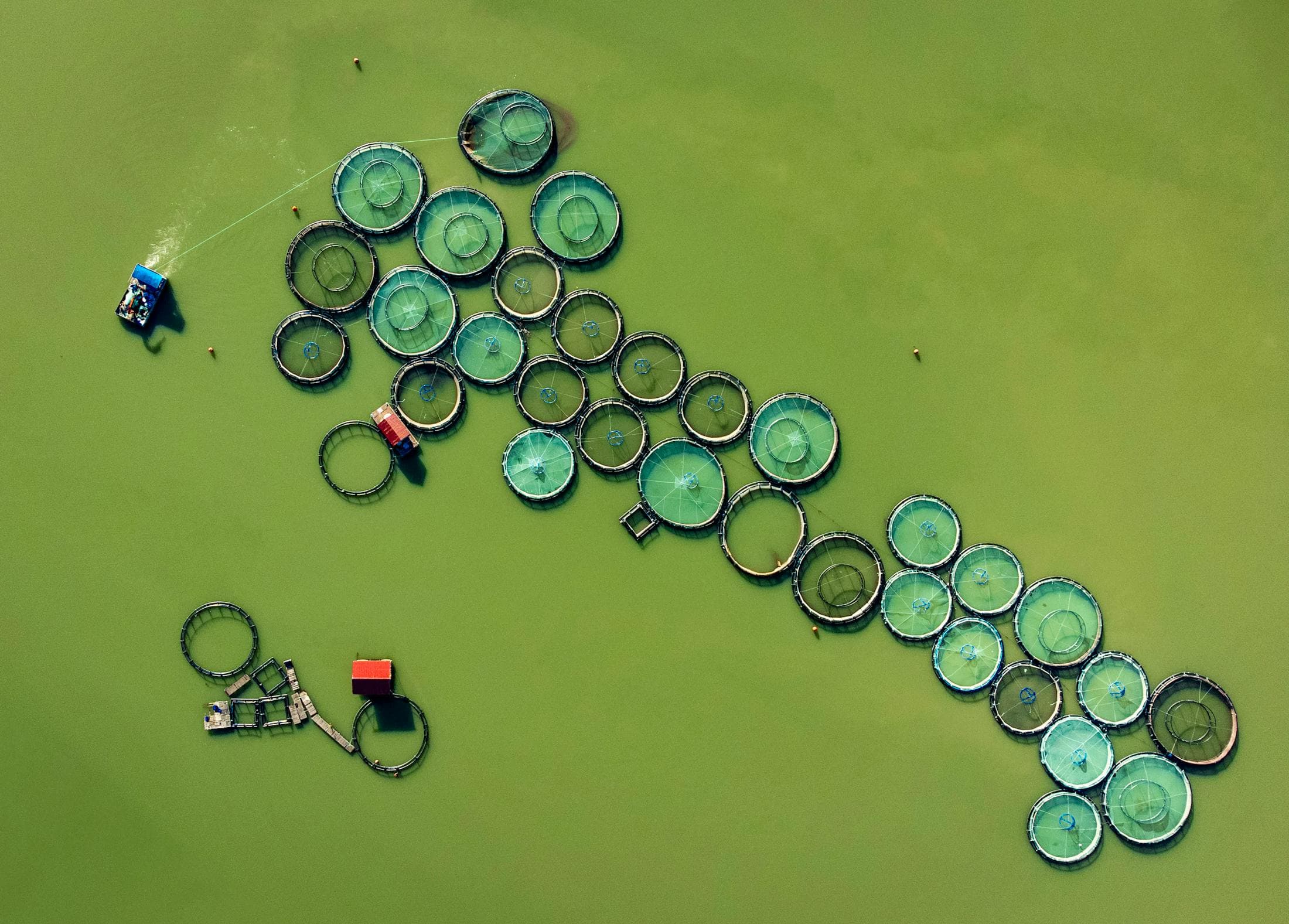
Dense cage arrays monitored as one coordinated operating surface.
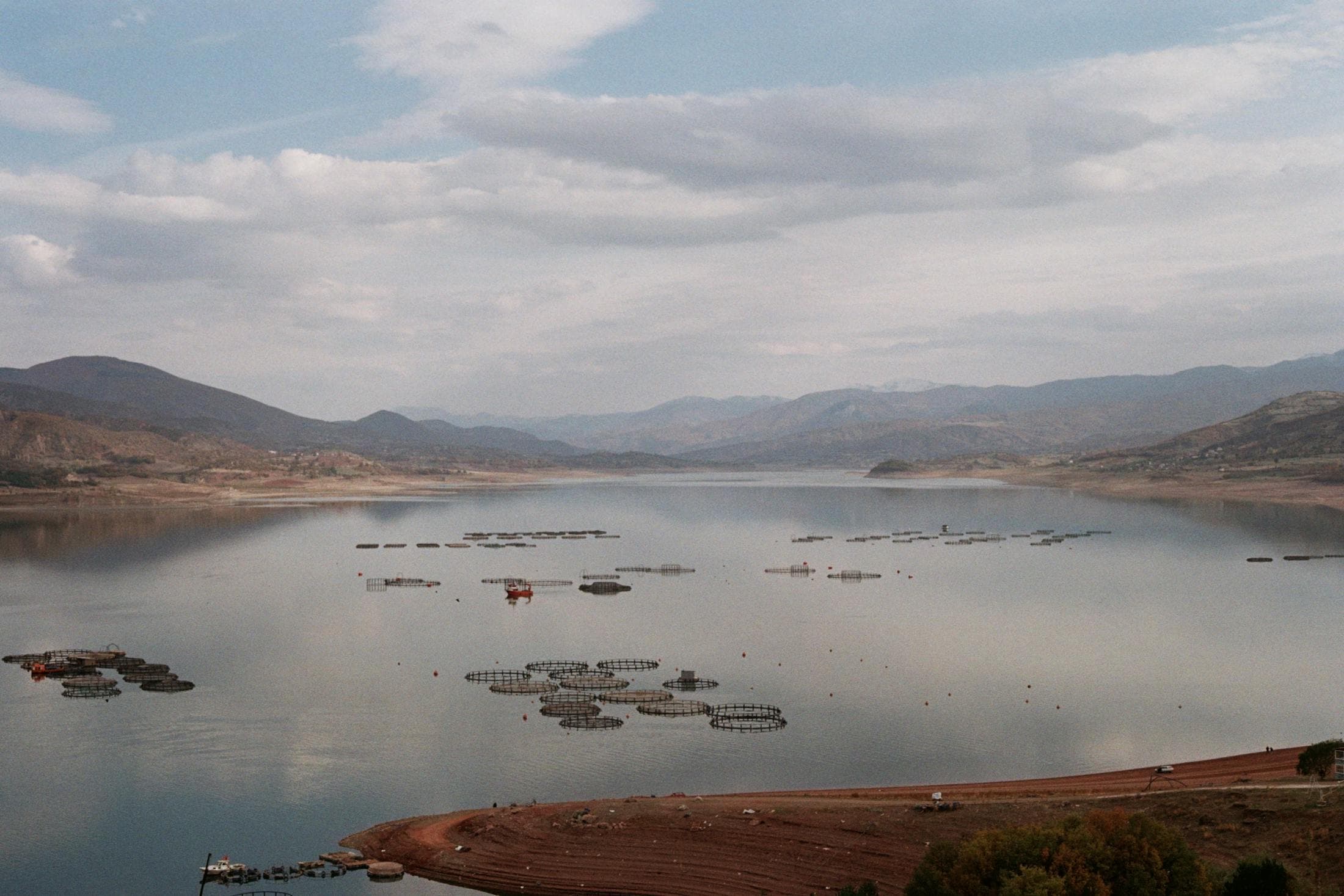
Freshwater cages planned around site conditions and farm routines.
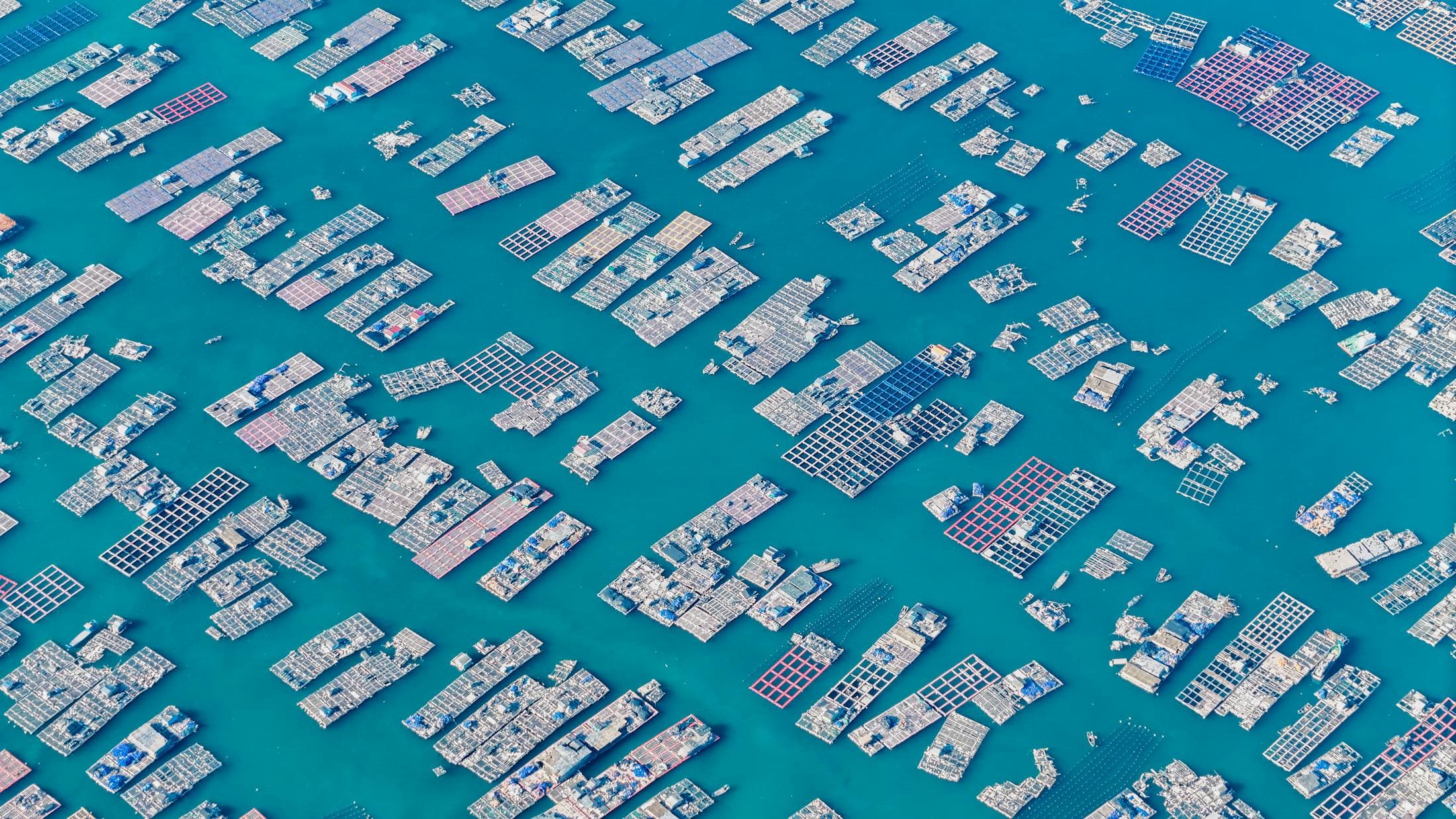
Large sea-farm layouts with consistent feed and performance tracking.
Validated today for white trevally. Other species and environments are rolling out next.
The FeedRight loop
Mythos, Argus Vision, and Sim Lab aren't three tools to stitch together — they're one feeding loop. Argus Vision turns underwater video into appetite and waste signals, Mythos weighs them against oxygen, biomass, and the forecast to size each feed, and Sim Lab rehearses the strategy against modeled fish before a pellet ever drops. Every automated action still waits on your team's review.
01 · See
Computer vision that reads appetite, pellet drift, and uneaten feed from the cage's own underwater cameras, in real time.
02 · Decide
An AI feeding agent that weighs Argus's signals against oxygen, biomass, current, and feed history to size each meal as a ration of live biomass — then waits for your review.
03 · Prove
A high-fidelity cage simulation that rehearses a feeding strategy against modeled fish, pellets, and water before it ever reaches the water.
Results
FeedRight gives operators a shared source of truth for appetite, safety, and feed cost without giving up control of farm data.
Measured across high-frequency feeding workflows.
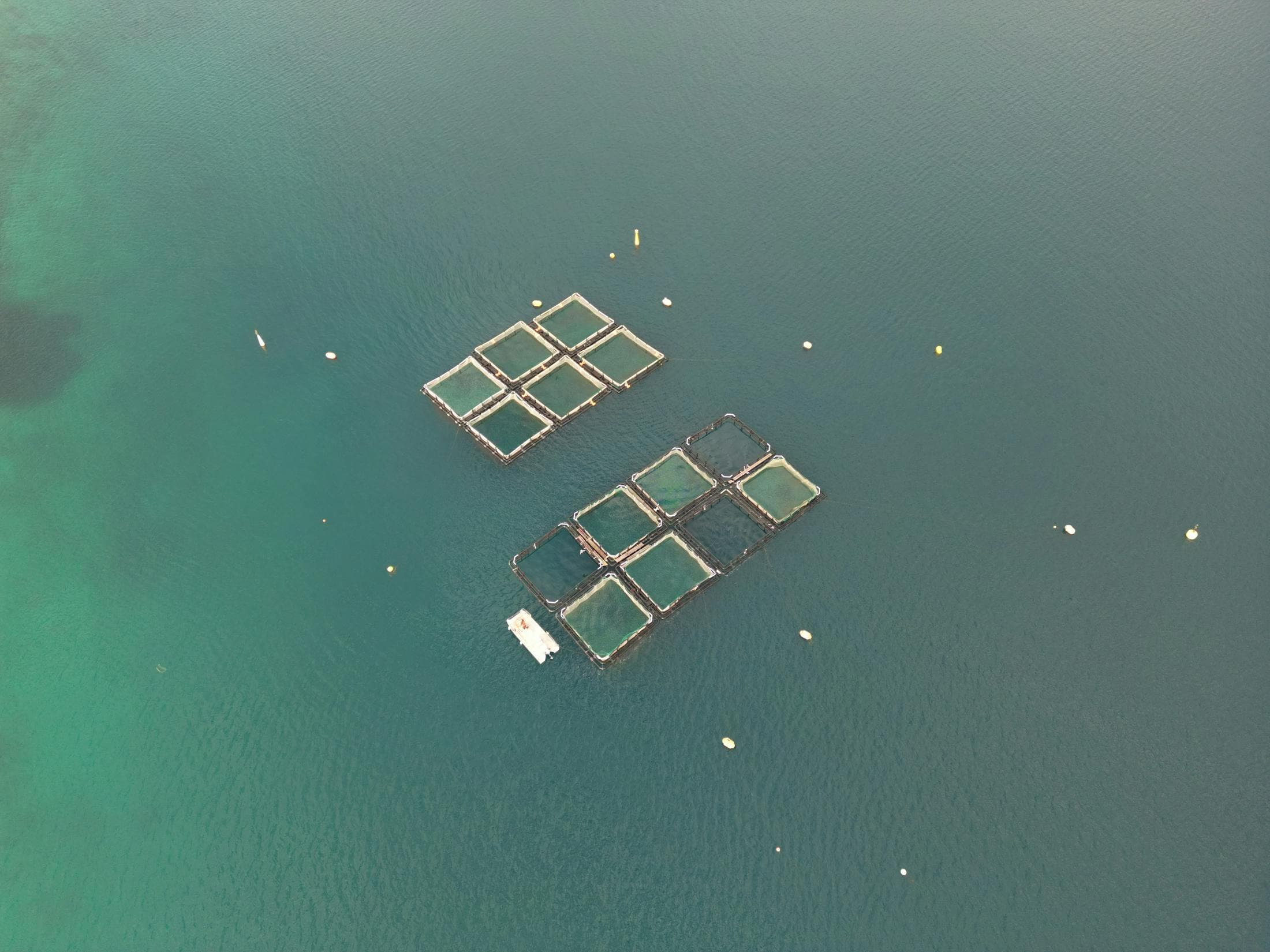
One operating layer for cage video, water quality, feeding action, and audit trail.
Pricing
No per-cage licence. Mythos prices itself off the feed cost it removes — 20% of the saving, or $150 per cage a month, whichever is greater — so above the floor your return is pure arithmetic: 1 ÷ 0.20 = 5.0×.4
The target
Feed is roughly half of a cage farm's operating cost — the one big number worth moving. Mythos is built to attack it, not to stack another monthly licence on top.
feed ÷ total farm cost
≈ 50%
The saving
Appetite-aware dosing holds economic FCR near 1.08 against a ~1.25 regional baseline — about 14% less feed for the same fish out.
production × 1.25 FCR × $1,400/t × 14%
= feed saved per year
The share
We bill 20% of the feed we save — or $150 per cage a month, whichever is greater. Above that floor it's a flat 5.0× return whether you run 6 cages or 600.
1 ÷ 0.20
= 5.0× return
Worked example
500 T/yr white trevally · 12 cages · $1,400/t feed
Baseline feed spend
$875,000
at 1.25 FCR
Feed saved · 14%
$122,500
FCR 1.08 vs 1.25
Mythos fee · 20%
$24,500
floor $21,600/yr
You keep · 80%
$98,000
kept every year
5.0×
back to the farm for every $1 of fee
Vision-only setup
$9,000
12 cages × $750 · pays back ~4.8 weeks
+ Water-quality setup
$67,800
12 × $5,650 · pays back ~8.3 months
Mythos runs on one 2D camera per cage. Water-quality sensing is optional — add it only where oxygen or current risk demands the extra guardrails.
Vision-only Mythos
Most commonSwitch on the cages you already operate.
Pays back in weeks
Mythos + water-quality sensing
For sites with oxygen or current risk.
Pays back in months
Mythos bills 20% of the feed saved or $150 per cage a month, whichever is greater. Per-cage setup figures are camera + install (+ sonde); shared site infrastructure — edge compute, gateway, router — is additional and scales slowly with cage count. ROI and payback are computed from the feed savings the farm keeps after our fee.
Find everything you need to run the platform, from model governance to calibration guides and integration docs.
CREATE A CLIENT
const farm = await feedright.connect();
await farm.cages.watch("cage-b");
await farm.models.review("mythos");
“FeedRight gave our operators a shared source of truth for appetite, safety, and feed cost without giving up control of farm data.”
— Operations Director, coastal aquaculture group

From a spontaneous lunch to winning the Ocean Hackathon Global Finale — hear the story behind FeedRight.
70% reduction in feeding labor. Operator-reported reduction in feeding labor from AI-camera adaptive feeding at a cage farm in Malaysia — the closest analog to Mythos's vision-driven dosing — consistent with the "up to 70%" ceiling reported for on-demand acoustic/vision feeders in industry reviews. Reviewed automation replaces manual cage-by-cage feeding rounds; earlier non-AI automated feeders report 30–40%. A field-reported figure, not a Sim Lab model. ↩
21% less feed wasted per cage. Reduction in uneaten-pellet mass per feed window in Sim Lab versus a blind, schedule-based baseline, measured from simulated pellet tracking (pellets sinking past the school before ingestion). This is a waste-mass figure, reported separately from the FCR and feed-cost numbers. ↩
14% FCR improvement in year one. Modeled economic FCR of 1.08 against a ~1.25 regional baseline — 1 − 1.08 ÷ 1.25 ≈ 14% — from Sim Lab's bioenergetic intake-and-growth model, which is also the projected feed-cost reduction per kg at a fixed pellet price. An engineering target, not a measured grow-out result; the species' biological conversion floor (~1.0) caps further gains. ↩
We bill 20% of the feed we save, or $150/cage/month — whichever is greater. Annual saving = production × 1.25 baseline FCR × $1,400/tonne feed × 14% reduction. Mythos bills the greater of a 20% value share and a $150-per-cage-per-month floor, so wherever the share applies the return is 1 ÷ 0.20 = 5.0×. At the modeled savings the share clears the floor at the mid and large tiers; at the small tier the floor sets the fee (it runs just above 20% of the saving), which is the case the floor exists for. One-time setup is $750/cage vision-only ($250 MizLinx 4K marine camera + $500 install) or $5,650/cage with a DO/temp/salinity sonde; payback is measured against the savings kept after our fee — roughly 4–6 weeks vision-only and 7–11 months with sensors. Per-cage figures exclude shared site infrastructure (edge compute, gateway, router). Worked examples use 200/500/2,000 T-per-year sites; see /products/mythos for the full cost model. ↩